Your cesspool cover is one of the most overlooked components of your home’s septic system—until something goes wrong. For Long Island homeowners in Nassau and Suffolk Counties, understanding when and how to replace a cesspool cover can save you from costly repairs, safety hazards, and system damage.
This guide covers everything you need to know about cesspool cover replacement, including warning signs, what to expect during the process, and why professional service matters for your Long Island home.
Why Cesspool Covers Matter
Your cesspool cover does more than just sit on top of your tank. It serves several critical functions:
Safety Protection: A sturdy cover prevents family members, guests, and pets from accidentally falling into the tank. This is especially important in towns like Great Neck and Port Washington where homes sit closer together.
System Protection: The cover keeps debris, rainwater, and surface runoff out of your cesspool. In areas like Huntington that experience heavy seasonal rainfall, a compromised cover can allow water infiltration that overloads your system.
Odor Control: A secure cover helps contain unpleasant odors that can affect your property and neighbors’ enjoyment of their yards.
Pest Prevention: Damaged covers create entry points for rodents and insects that can cause additional problems.
Signs Your Cesspool Cover Needs Replacement
Regular inspections help you catch problems early. Look for these warning signs:
Visible Cracks or Damage: Concrete covers are most common on Long Island and deteriorate over time. Even small cracks allow water seepage and can grow into larger structural problems.
Sunken or Uneven Surfaces: If your cover is settling unevenly, the tank beneath may be collapsing or shifting. This is a safety concern and requires immediate professional assessment.
Rust or Corrosion: Metal components rust quickly in Long Island’s humid climate. Orange staining, flaking, or soft spots indicate deterioration.
Foul Odors: If smells are escaping from the cover area, it may not be sealing properly.
Pooling Water: Water collecting on top of the cover indicates poor drainage and seal failure.
Difficult Access: Covers that are stuck, rusted shut, or too heavy to open safely need replacement.
Types of Cesspool Covers for Long Island Homes
Concrete Covers: These are the most common in Nassau and Suffolk County. They’re durable and long-lasting (15–20+ years with proper maintenance), but concrete eventually cracks and deteriorates, especially in freeze-thaw cycles.
Composite or Plastic Covers: Lighter weight and resistant to rust and corrosion, these covers are becoming more popular. They’re easier to install and maintain, though they may have a shorter lifespan than concrete in extreme weather.
Metal Covers: Less common today, metal covers are prone to rust in Long Island’s coastal and humid environment.
Risers with Lids: Some modern installations use risers (extensions that bring the tank access point closer to ground level) topped with removable lids. These are easier to service and safer for families.
The Replacement Process
Professional Assessment: A licensed technician will inspect your tank’s condition, measure the cover opening, check the tank rim, and identify any complications before work begins. This step is crucial—hidden damage to the tank itself can affect the installation.
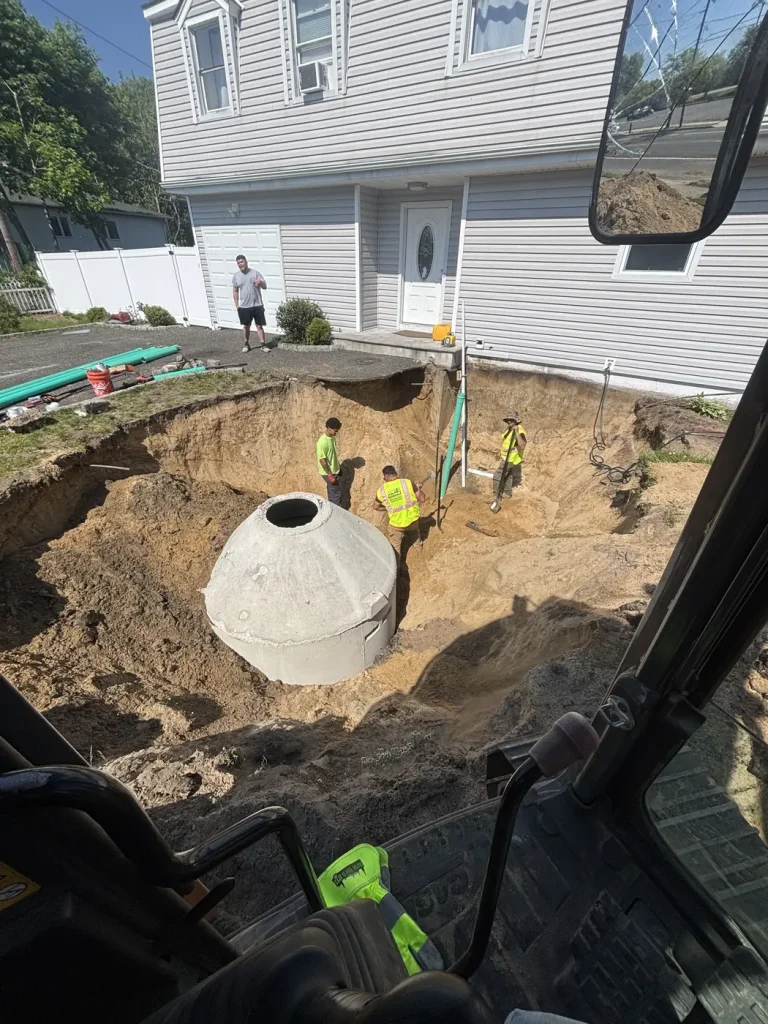
Removal: The old cover is carefully extracted. For concrete covers, this may involve breaking and removing deteriorated pieces. Proper equipment and technique prevent damage to the tank or surrounding structures.
Tank Rim Inspection: Once the cover is off, the technician evaluates the tank’s top edge. Corrosion, cracks, or deterioration must be addressed before installing a new cover—a compromised rim won’t seal properly.
Cleaning: The tank opening is cleaned to ensure a proper seal between the tank and new cover.
Installation: The new cover is positioned and secured. Proper sealing prevents water infiltration and odor escape. If your system includes a riser, it’s installed during this phase.
Final Inspection: Your technician confirms the cover is secure, level, and properly sealed before completing the job.
When to Call a Professional vs. DIY Considerations
While some homeowners attempt DIY cover replacement, this isn’t recommended. Here’s why:
Heavy Equipment: Cesspool covers are extremely heavy, often weighing several hundred pounds. Concrete covers require specialized lifting equipment. Attempting manual removal risks serious injury.
System Knowledge: A professional assesses your entire tank condition, identifies compatibility issues, and ensures the new cover meets Long Island codes and regulations. Nassau and Suffolk County have specific requirements for septic system components.
Proper Sealing: Incorrect installation leads to water infiltration, which overloads your system and causes premature failure—a much costlier problem than proper replacement.
Permits: Some cover replacements require permits, especially if your system failed inspection. Licensed professionals handle this.
Preventive Maintenance to Extend Your Cover’s Life
Annual Inspections: Have your cesspool inspected yearly by a licensed professional. Catching small issues prevents expensive repairs.
Keep Vehicles Off: Never park on or drive over your cesspool cover. The weight damages concrete and compromises the seal.
Monitor Landscaping: Plant trees and large shrubs away from your tank. Root intrusion and soil settlement damage covers over time.
Maintain Drainage: Ensure gutters and downspouts direct water away from your tank area. Excess water accelerates cover deterioration.
Regular Pumping: Empty your cesspool every 3–5 years (depending on household size). Overfull tanks put pressure on covers and cause them to fail prematurely.
Long Island Regulations and Permits
Nassau and Suffolk County have health department regulations governing septic systems. Cover replacement may require:
A Department of Health inspection, especially if the system previously failed or requires upgrading. Licensed professionals know these requirements and handle inspections as part of the service. Homeowners attempting DIY replacement often discover mid-project that permits are required—delaying completion and creating compliance issues.
Common Questions About Cesspool Cover Replacement
How often do cesspool covers need replacement?
Concrete covers typically last 15–20 years. Composite covers may last 10–15 years. Metal covers deteriorate faster in Long Island’s climate. Age, soil conditions, and maintenance affect lifespan. Regular inspections help determine if replacement is needed before failure occurs.
What happens if I ignore a damaged cover?
Water infiltration overloads your system, causing it to fail more quickly and requiring expensive repairs or replacement of the entire tank. Cracked covers also create safety hazards and allow odors and pests into your yard.
Can I replace just the cover without replacing the tank?
Yes, in most cases. However, if the tank rim is damaged or corroded, professional assessment determines whether rim repair or full tank replacement is necessary.
How do I know if my cover needs professional service?
Any visible cracks, settling, rust, foul odors, or difficulty opening warrants professional evaluation. Don’t attempt to lift or remove a damaged cover yourself due to safety risks and equipment needs.
Are there modern alternatives to traditional concrete covers?
Yes. Riser systems with removable lids, composite covers, and hybrid solutions offer advantages including easier access, better safety, and longer durability. Your technician can discuss options suited to your system and budget.
Will my homeowner’s insurance cover cover replacement?
This depends on your policy and the cause of failure. Maintenance-related deterioration is typically not covered, but sudden damage from unexpected causes may be. Review your policy or contact your insurer for details.
Your cesspool cover is vital to your system’s health and your home’s safety. If you’ve noticed problems with your Long Island cesspool cover, professional service ensures proper replacement and system protection. Request a free estimate online to have a licensed technician evaluate your system today.