Cesspool Inspection on Long Island
Cesspool and septic inspections in Nassau and Suffolk County — real estate, annual maintenance, and diagnostic checks when something feels off. Written report.
call now (631) 383-4797 Free estimateGet a Free Estimate
Cesspool & septic inspections
If you’re buying or selling a Long Island home, a cesspool or septic inspection is routine. Buyers ask for it; many lenders and attorneys expect documentation before closing. Homeowners also book inspections for annual peace of mind — or when drains slow, lawns stay soggy, or odors show up near the tank.
Rapid Response Cesspool inspects residential (and applicable commercial) systems across Nassau and Suffolk. We locate access when needed, check condition and levels, and deliver a written report you can share with your attorney, lender, or buyer.
We’re based in Bay Shore and we answer the phone — including urgent diagnostic needs tied to backups (see also emergency cesspool service).
When Long Island homeowners book a cesspool inspection
- Real estate purchase or sale — document system condition before you commit.
- Lender / attorney request — written findings for the file.
- Annual or pre-season maintenance — catch high levels or baffle issues before a holiday backup.
- Symptoms — gurgling drains, sewage odors, unusually green or wet areas over the system, sewage alarms (if equipped), or recurring need to pump more often than expected.
- Before major work — additions, I/A upgrades, or repairs; know what you’re dealing with first.
Not sure if you have a cesspool or a septic tank with a leach field? Tell us your town and what you know from prior pump-outs — we’ll work from access points and system layout on site.
What we inspect
- Tank condition and structural integrity
- Inlet and outlet baffles
- Liquid levels relative to the outlet
- Access lid condition and safety
- Pipe connections
- Leaching pool / absorption area function (as accessible / observable)
- Signs of failure or imminent failure
When a visual/access inspection isn’t enough to explain a blockage or line issue, a sewer camera inspection may be the next step. Read what camera work shows and when it’s worth it.
Real estate cesspool inspections (Nassau & Suffolk)
We provide a written report suitable for your real estate attorney or lender. We’re familiar with how deals move in both counties. If we find a problem, we explain it in plain language and outline repair or pumping options — including ballpark next steps — so you’re not guessing at the closing table.
Buying? Don’t skip the system under the yard. Selling? A clean report (or a fixed issue with documentation) keeps surprises from derailing the deal.
Schedule an inspection: (631) 383-4797.
Maintenance and diagnostic inspections
Annual or periodic inspections help you plan the next cesspool pump-out before solids push the system into failure. If we find cracked components, failed baffles, or other repair needs, we point you to cesspool repair options with a clear scope — estimate before scheduled work.
After heavy use, storms, or a prior backup, a diagnostic inspection pairs well with pumping and, when needed, line cleaning. For drain-line method choices, see hydro-jetting vs snaking on Long Island.
How a Rapid Response inspection visit works
- Book — Call or request an estimate; share town, property access, and whether this is real estate or maintenance.
- On-site — Typically 30–60 minutes on site (plus report time), depending on access and system type.
- Locate if needed — If you don’t know where the tank is, we can locate it (probe or ground-penetrating methods as appropriate to the job).
- Inspect & document — Condition, levels, components, and recommended action in a written report.
- Next steps — Pump, repair, camera, or monitor — you get a recommended path, not a hard sell script.
Related services and guides
- Cesspool pumping · Pumping cost guide
- Cesspool repair
- Camera inspection explainer
- Emergency service
- I/A OWT / rebates if an upgrade is on the table
- Septic tank service · Septic replacement cost guide
Common Questions
How long does a cesspool inspection take?
Most inspections take 30 to 60 minutes on site, plus time to finish the written report. Access difficulty, locating the tank, or a more complex septic layout can add time.
Do you locate the cesspool if we don’t know where it is?
Yes. If the tank isn’t marked or you only have an approximate area, we can locate it using a probe or ground-penetrating methods appropriate to the property.
What’s included in the written report?
The report covers system location, condition of accessible components, fluid levels, issues found, and recommended action (monitor, pump, repair, or further diagnostics such as camera inspection).
Do I need an inspection when buying a Long Island home?
For many purchases, yes — buyers commonly request it and attorneys/lenders often want documentation. A pre-purchase inspection reduces the odds of inheriting a failing cesspool or septic system.
What’s the difference between a cesspool inspection and a sewer camera inspection?
A standard cesspool/septic inspection focuses on the tank and observable system condition. A sewer camera inspection looks inside lines to find roots, breaks, bellies, or blockages. Details: camera inspection guide.
Can you inspect before or with a pump-out?
Yes. Inspections pair naturally with pumping. If levels are high or solids have built up, pumping may be recommended so we can assess condition properly — we’ll explain that on site before work proceeds on scheduled jobs.
What if the inspection finds a problem?
We’ll explain what we found and outline practical next steps — often pumping, repair, line cleaning, or further camera diagnostics. For scheduled repairs you get an estimate before work starts. For active backups, ask about emergency service.
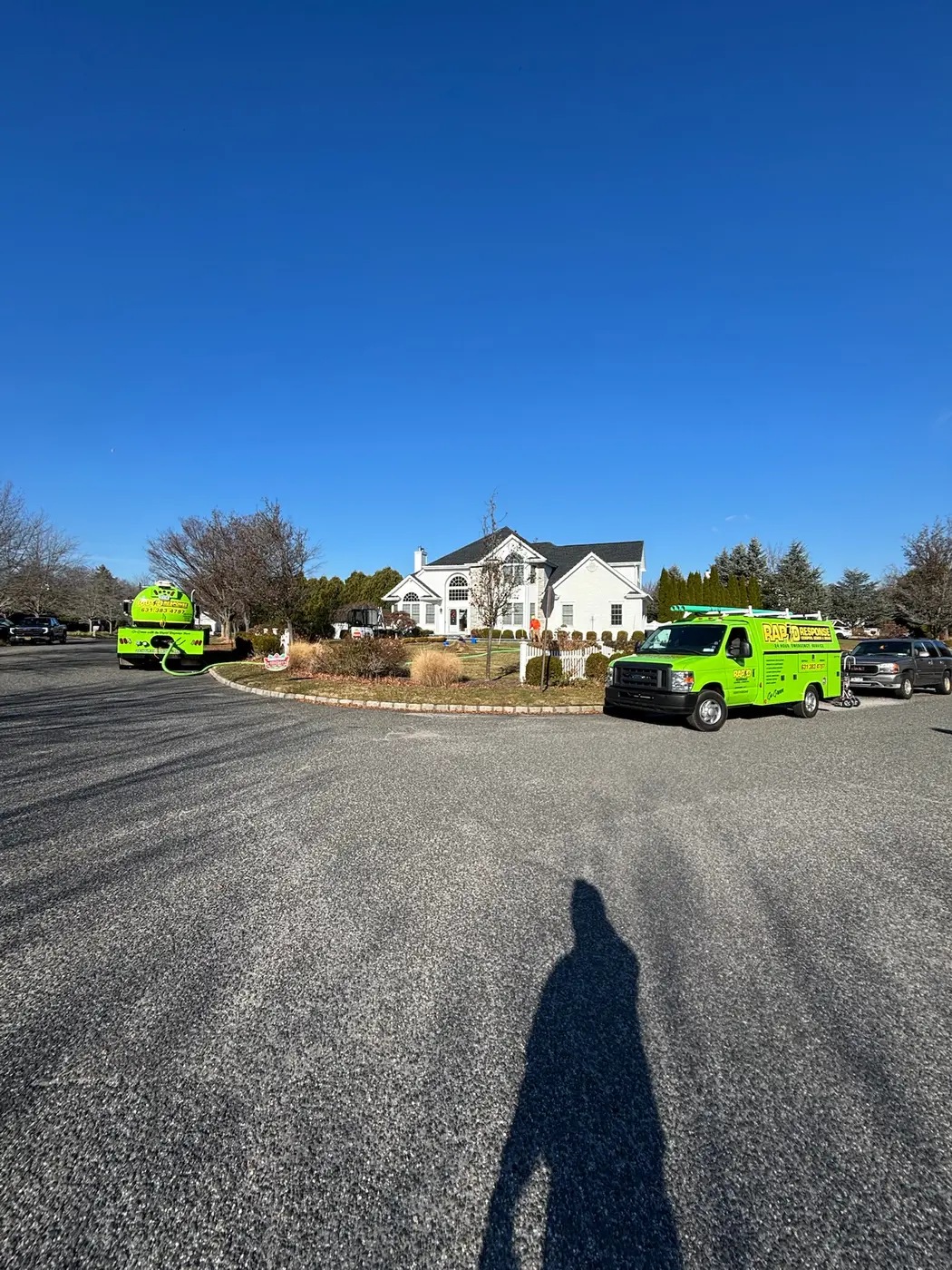
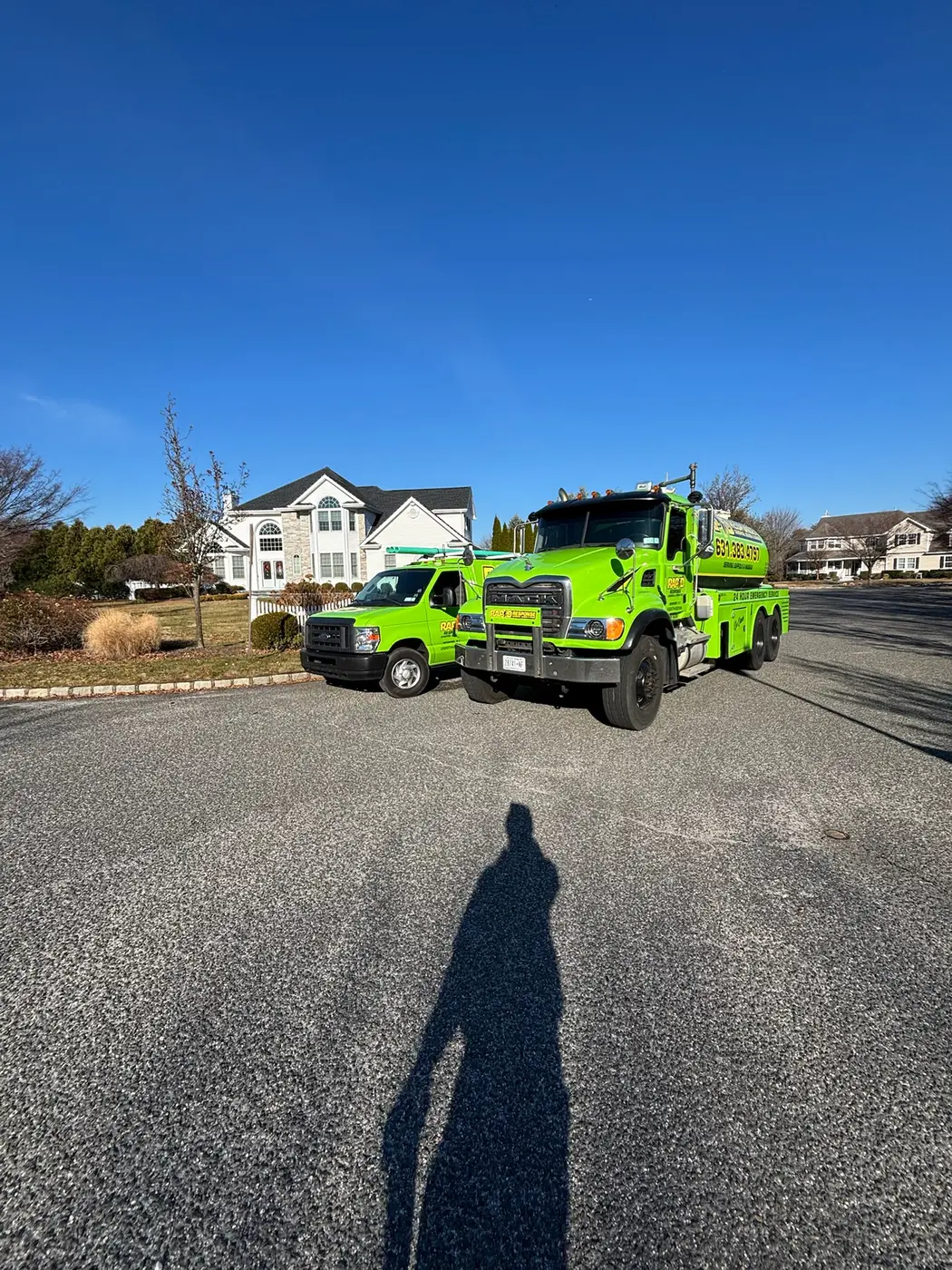
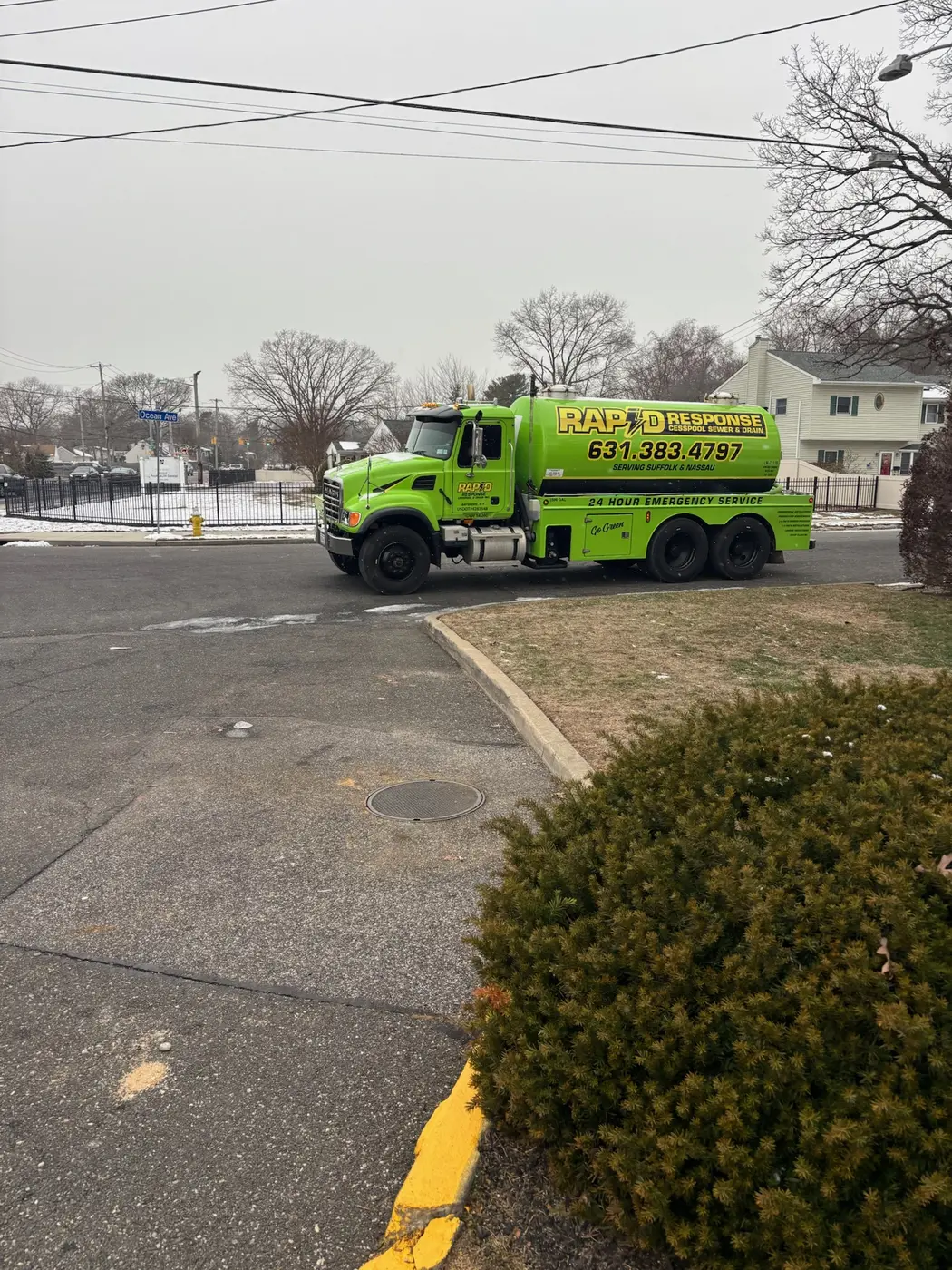
Our Work on Long Island
Real jobs. Real results. Long Island homeowners and businesses trust Rapid Response.

Book a cesspool inspection
Serving Nassau County, Suffolk County, and towns across Long Island from our Bay Shore shop
Call Rapid Response Cesspool at (631) 383-4797 — free estimates on scheduled work; 24/7 for emergencies.
call now (631) 383-4797Frequently Asked Questions
How long does a cesspool inspection take?
Most inspections take 30 to 60 minutes on site, plus time to finish the written report. Access difficulty, locating the tank, or a more complex septic layout can add time.
Do you locate the cesspool if we don’t know where it is?
Yes. If the tank isn’t marked or you only have an approximate area, we can locate it using a probe or ground-penetrating methods appropriate to the property.
What’s included in the written report?
The report covers system location, condition of accessible components, fluid levels, issues found, and recommended action (monitor, pump, repair, or further diagnostics such as camera inspection).
Do I need an inspection when buying a Long Island home?
For many purchases, yes — buyers commonly request it and attorneys/lenders often want documentation. A pre-purchase inspection reduces the odds of inheriting a failing cesspool or septic system.
What’s the difference between a cesspool inspection and a sewer camera inspection?
A standard cesspool/septic inspection focuses on the tank and observable system condition (structure, baffles, levels, leaching function as accessible). A sewer camera inspection looks inside lines to find roots, breaks, bellies, or blockages. Many jobs start with inspection/pumping; camera work is added when line problems are suspected.
Can you inspect before or with a pump-out?
Yes. Inspections pair naturally with pumping. If levels are high or solids have built up, pumping may be recommended so we can assess condition properly — we’ll explain that on site before work proceeds on scheduled jobs.
What if the inspection finds a problem?
We’ll explain what we found and outline practical next steps — often pumping, repair, line cleaning, or further camera diagnostics. For scheduled repairs you get an estimate before work starts. For active backups, ask about emergency service.