Cesspool Pumping in Deer Park NY: Full Service Guide
If you own a home in Deer Park, NY, or anywhere across Long Island’s Nassau and Suffolk counties, chances are your property relies on a cesspool rather than a municipal sewer system. Understanding how to maintain your cesspool—especially when it comes to regular pumping—is essential to protecting your home’s plumbing, your property value, and the environment.
This guide covers everything Deer Park homeowners need to know about cesspool pumping, from how often you should schedule service to what to expect during the process.
What Is a Cesspool and Why Does It Need Pumping?
A cesspool is an underground holding tank that collects wastewater from your home’s toilets, sinks, showers, and drains. Unlike a septic system that treats and disperses waste, a cesspool simply stores all household wastewater in one chamber until it’s pumped out.
Over time, solids accumulate at the bottom of the tank while liquid gradually seeps into the surrounding soil. When the tank fills to capacity, pumping becomes necessary. Without regular maintenance, your cesspool can overflow, causing sewage backups into your home, foul odors around your property, and potential contamination of groundwater.
How Often Should You Pump Your Cesspool?
Most Long Island homeowners should have their cesspool pumped every 3 to 5 years. However, the right interval depends on several factors:
- Household size: Larger families generate more wastewater and require more frequent pumping.
- Tank capacity: Smaller tanks fill faster and need more regular service.
- Water usage: Homes with high water consumption (frequent showers, laundry, dishwashing) fill their tanks more quickly.
- Septic additives: Regular use of certain products can slow bacterial breakdown.
If you’ve never had your cesspool pumped, or you don’t know when the last pumping occurred, scheduling an inspection is your first step. A licensed technician can assess the tank’s current condition and recommend a pumping schedule tailored to your home.
Signs Your Cesspool Needs Pumping
Don’t wait for the scheduled interval if you notice any of these warning signs:
- Slow drains throughout your home
- Gurgling sounds from pipes
- Sewage odors inside or around your property
- Patches of unusually green, lush grass over the tank area
- Wet spots or pooling water near the cesspool location
- Backups or overflows from toilets, showers, or drains
If you experience any of these symptoms, contact a licensed cesspool service immediately. Ignoring them can lead to costly damage and health hazards.
The Cesspool Pumping Process
When you schedule cesspool pumping with a professional service in Deer Park, here’s what typically happens:
Locating the Tank
The technician will identify your cesspool’s location using records or by probing the area. Some tanks are clearly marked; others require investigation. Knowing where your tank is located helps you plan future maintenance and avoid accidentally damaging it.
Inspection
Before pumping begins, the service provider inspects the tank’s condition. They’ll note any cracks, deterioration, or structural issues that could affect performance or longevity.
Pumping
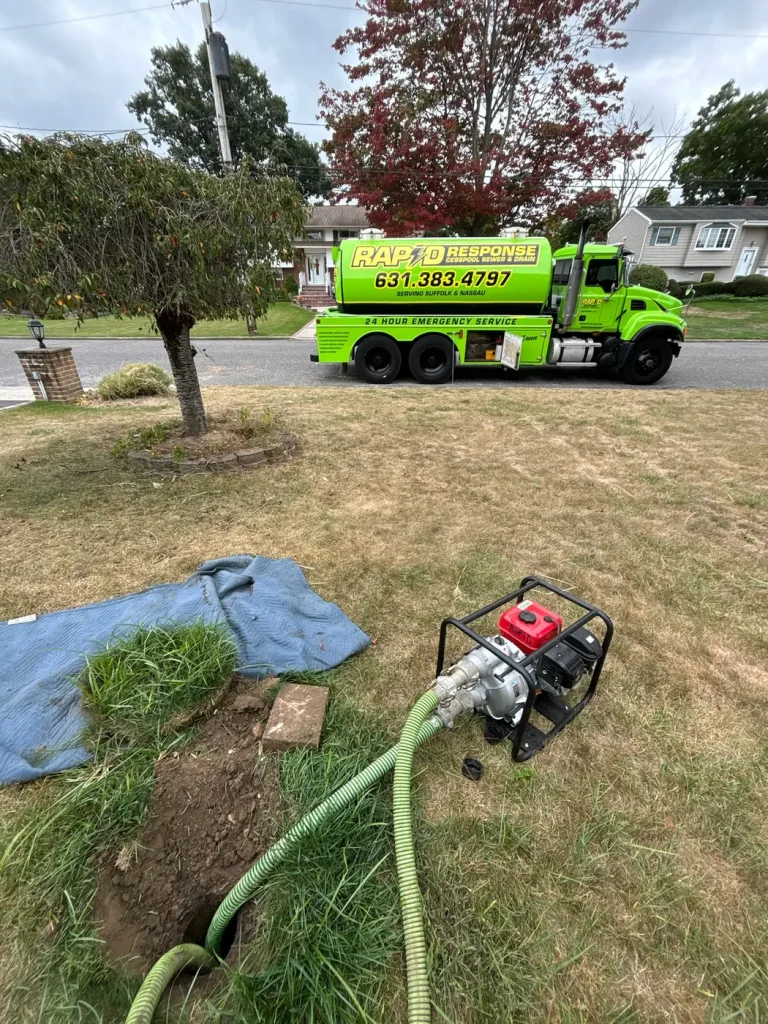
A specialized vacuum truck removes the accumulated sludge and liquid from the tank. The waste is transported to an approved treatment facility. The entire process typically takes 30 minutes to an hour, depending on tank size and the amount of material inside.
Post-Pumping Assessment
After pumping, the technician may recommend additional services, such as tank cleaning or repairs. They’ll also provide documentation of the service for your records, which is important if you ever sell your home.
Preparing Your Home for Pumping Day
To make the process smooth and safe, follow these tips:
- Mark the tank location: Clear vegetation or debris so the technician can easily access the cover.
- Avoid water use: Minimize water consumption the night before pumping. Large water volumes can make the tank harder to empty.
- Keep pets and children away: The pumping process involves large equipment and can be hazardous.
- Provide access: Ensure the service truck can reach your property without obstacles.
Cesspool Pumping Across Long Island: Deer Park, Commack, and Beyond
Cesspool pumping needs are consistent across Nassau and Suffolk counties. Whether you live in Deer Park, Commack, or other Long Island communities, the fundamentals remain the same: regular maintenance prevents emergencies and protects your home and local groundwater.
Different areas may have varying soil conditions, groundwater levels, and local regulations, but all require the same professional approach to cesspool care. If you’re new to the area or a long-time resident, understanding your cesspool’s needs is part of responsible homeownership on Long Island.
Common Mistakes to Avoid
Many homeowners inadvertently shorten their cesspool’s lifespan through poor practices:
- Flushing non-biodegradable items: Paper towels, feminine hygiene products, wipes, and other solids can clog the tank.
- Pouring grease and oils down drains: These harden in the tank and reduce capacity.
- Using excessive chemical cleaners: Harsh chemicals kill beneficial bacteria that break down waste.
- Ignoring warning signs: Early intervention prevents costly damage.
- Neglecting regular pumping: Skipping scheduled maintenance is the leading cause of cesspool failure.
How to Find a Licensed Cesspool Service in Deer Park
Always hire a licensed, insured cesspool professional. Look for companies that:
- Hold valid licenses from New York State
- Are insured and bonded
- Have positive local reviews and references
- Provide transparent service explanations
- Offer emergency service availability
A reputable local company will be familiar with Deer Park’s soil conditions, local regulations, and common cesspool issues in your area.
Protecting Your Cesspool Between Pumpings
Regular pumping is just one part of cesspool maintenance. Between appointments, you can extend the life and efficiency of your system by:
- Using water-efficient fixtures and appliances
- Spreading laundry and showers throughout the week rather than concentrating them in one day
- Installing a grease trap under your kitchen sink
- Being mindful of what goes down your drains
- Having your tank inspected every few years, even if pumping isn’t yet necessary
What Happens If You Skip Cesspool Pumping?
Neglecting regular maintenance leads to serious consequences. An overfull or failing cesspool can cause sewage to back up into your home, creating unsanitary conditions and expensive repairs. Contaminated wastewater can seep into groundwater, affecting not only your property but your neighbors’ wells. System failure can necessitate full tank replacement, which is far more costly than routine pumping.
Regular pumping is preventative—and far more affordable—than emergency repairs.
Frequently Asked Questions
How much wastewater can a typical Long Island cesspool hold?
Most residential cesspools hold between 750 and 1,500 gallons. Older homes may have smaller tanks, while newer construction often includes larger capacity systems. Your tank’s specific capacity should be documented by your property’s records or a professional inspection.
Can I pump my cesspool myself?
No. Cesspool pumping requires specialized equipment, proper training, and licensed professionals. DIY attempts are unsafe, ineffective, and illegal in New York. Always hire a licensed service.
What should I do if my cesspool is backing up into my home?
This is an emergency. Stop using water immediately and contact a licensed cesspool service right away. Sewage backup poses serious health risks and requires urgent professional intervention.
Do I need any special permits to pump my cesspool in Deer Park?
New York State requires pumping records to be maintained, and some municipalities have specific regulations. A licensed professional will handle all compliance requirements and ensure proper documentation.
How do I know if my cesspool is failing?
Signs include chronic backups, persistent odors, wet areas over the tank, and slow drains that don’t improve after pumping. A professional inspection can determine whether your tank is failing or simply needs pumping and cleaning.
What’s the difference between a cesspool and a septic system?
A cesspool simply holds wastewater; a septic system treats it before dispersing it into a drain field. Cesspools are more common on Long Island in older developments, while newer properties typically have septic systems. Both require regular maintenance, but the pumping intervals and processes differ.
Keeping your Deer Park home’s cesspool well-maintained protects your investment, your family’s health, and the local environment. If you’re due for service or have questions about your system, request a free estimate online to connect with a licensed professional who understands Long Island’s unique cesspool challenges.