If you own a home on Long Island with a cesspool, you’re likely wondering how often you need to have it pumped. The answer isn’t one-size-fits-all, but understanding the factors that determine pumping frequency can help you avoid costly backups, system failures, and environmental violations.
Whether you’re in Nassau County, Suffolk County, or anywhere across Long Island, cesspool maintenance is essential to keeping your septic system healthy and your property compliant with local regulations.
General Cesspool Pumping Guidelines for Long Island Homes
Most cesspool systems on Long Island should be pumped every 3 to 5 years. However, this timeframe can vary significantly based on your household size, water usage, tank capacity, and the types of waste entering the system.
The Nassau County Department of Health and Suffolk County Department of Health Services both recommend regular pumping as part of a preventative maintenance plan. Ignoring this maintenance can lead to system failure, groundwater contamination, and expensive repairs.
Factors That Determine Your Pumping Schedule
Household Size and Water Usage
The more people living in your home, the more frequently you’ll need to pump your cesspool. A family of four will generate significantly more wastewater than a couple or single occupant.
If you have guests frequently, host large gatherings, or have teenagers in the home, your cesspool fills up faster. Similarly, if you do multiple loads of laundry daily or take long showers, you’re adding to the system’s burden.
Cesspool Tank Size
Larger cesspool tanks can hold more waste, which means they require less frequent pumping. Conversely, smaller tanks—common in older Long Island homes—may need pumping every 2 to 3 years or even annually in high-use households.
If you don’t know your tank’s capacity, a licensed professional can inspect your system and tell you the size. This information is valuable for creating a maintenance schedule.
Soil Type and Drainage
Long Island’s geology plays a role in how your cesspool performs. Areas with sandy or well-draining soil allow wastewater to percolate more efficiently, whereas clay-heavy soil can cause drainage issues and require more frequent pumping.
If your cesspool is in an area with poor drainage or high groundwater levels, you may need to pump more often than homeowners in other parts of Nassau or Suffolk County.
Septic System Age and Condition
Older cesspool systems are less efficient and may require more frequent pumping. If your system is showing signs of age—such as slow drains, odors, or wet spots in your yard—it may need pumping sooner than average.
Regular maintenance can extend the life of your system, but eventually, aging cesspools may need replacement.
Water Usage Habits That Increase Pumping Frequency
Certain household activities significantly impact how often your cesspool needs pumping. Being mindful of these habits can extend the time between service appointments.
Garbage disposals, while convenient, send extra solids into your cesspool. If possible, compost food scraps instead. Using excessive amounts of bleach, chemical drain cleaners, or antibacterial soaps can also damage the beneficial bacteria in your cesspool that break down waste.
Long showers, frequent bathing, and running the dishwasher or washing machine continuously add enormous volumes of water to your system. Spacing out these activities throughout the week is more manageable than clustering them together.
Signs Your Cesspool Needs Pumping Sooner
Don’t wait for your scheduled pumping date if you notice warning signs. Slow drains in multiple fixtures, toilets that won’t flush properly, or gurgling sounds in your plumbing are red flags.
Foul odors near your cesspool tank or wet, soggy areas in your yard indicate a system that’s overwhelmed. Pooling water or sewage backups require immediate professional attention.
If you live in communities like Great Neck, Hempstead, or across the townships in Suffolk, and you notice any of these problems, contact a licensed cesspool professional right away.
Long Island Regulations and Pumping Requirements
Nassau County and Suffolk County have specific regulations governing cesspool maintenance. Both counties require homeowners to maintain their systems in good working condition and comply with local health codes.
Some municipalities on Long Island mandate pumping on a set schedule—often every 3 years—as a condition of property ownership. Failure to maintain your system can result in violations and fines.
When you schedule a pumping, make sure to work with licensed professionals who are familiar with Long Island’s regulations and can provide documentation of the service for your records.
What to Expect During a Cesspool Pumping
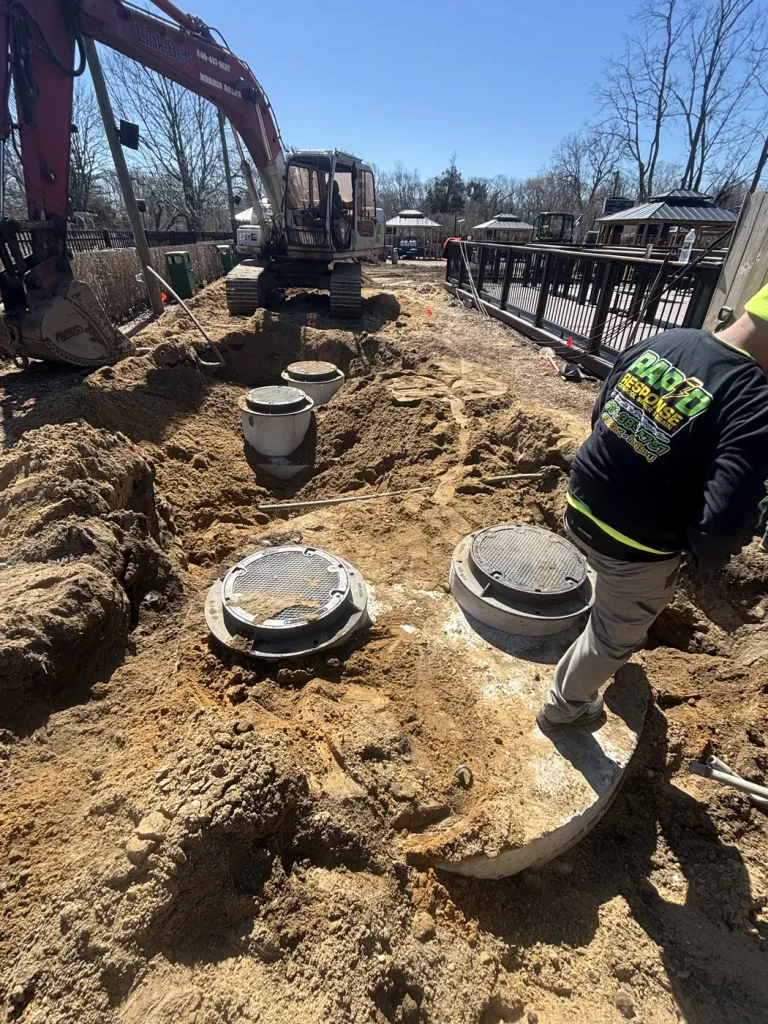
A professional cesspool pumping typically takes 1 to 2 hours. The technician will locate your tank, remove the access cover, and use a vacuum truck to extract accumulated solids and sludge.
During this process, the professional may inspect your tank for cracks, damage, or other issues. They’ll also check the inlet and outlet baffles to ensure they’re functioning properly.
After pumping, you’ll receive a service record documenting the date, tank capacity, and amount of material removed. Keep these records for your files and for potential property sales.
Creating a Maintenance Schedule for Your Cesspool
The best approach is to work with a licensed cesspool service to develop a personalized maintenance plan. They can assess your specific situation and recommend a pumping schedule that keeps your system running efficiently.
Mark your calendar with the recommended pumping date and set reminders. Staying ahead of maintenance is far less expensive than dealing with system failures or environmental violations.
If you’re new to a Long Island home or unsure about your cesspool’s last pumping, consider scheduling an inspection and pumping immediately. This gives you a baseline and sets you up for proper ongoing maintenance.
Protecting Your Long Island Home and Environment
Regular cesspool pumping isn’t just about avoiding backups and odors—it’s about protecting your home’s foundation, your family’s health, and Long Island’s groundwater.
Cesspools that fail can contaminate drinking water supplies and harm the environment. By staying on top of maintenance, you’re being a responsible homeowner and community member.
If you’re ready to schedule your cesspool pumping or need an inspection, request a free estimate online to get started.
Frequently Asked Questions About Cesspool Pumping
How do I know if my cesspool has been pumped recently?
Check your property records and service documentation. If you have no record of pumping, contact a licensed professional to inspect the tank and assess its condition. They can estimate when it was last serviced based on sludge levels.
Can I pump my cesspool too often?
No. Regular pumping actually helps your system function better by removing excess solids. More frequent pumping is beneficial if your household generates high volumes of wastewater or if your tank is smaller than average.
What happens if I don’t pump my cesspool regularly?
Neglecting cesspool maintenance leads to system failure, backed-up toilets and drains, foul odors, soggy yards, and potential groundwater contamination. You may also face health department violations and costly repairs or replacement.
Is there a difference between a cesspool and a septic system?
Yes. A cesspool is a covered pit that collects all wastewater, while a septic system includes a tank and a drain field that further filters waste. Both require regular pumping, but septic systems typically have longer intervals between pumpings.
How much sludge accumulates in a cesspool each year?
On average, a household generates about 40 to 50 gallons of sludge per person per year. A family of four could accumulate 160 to 200 gallons annually, which is why regular pumping is essential.
Should I use additives or treatments in my cesspool?
Most cesspool additives are unnecessary and some can be harmful. Cesspools work best with natural bacterial activity. Avoid chemical drain cleaners, excessive bleach, and antibacterial products that kill beneficial bacteria. Focus instead on reducing water usage and avoiding solids.