Cesspool Maintenance in Huntington, NY: What to Expect
If you own a home in Huntington or anywhere across Long Island’s Nassau and Suffolk Counties, cesspool maintenance isn’t just recommended—it’s essential. Your cesspool is one of the most important (and often most overlooked) systems on your property. Regular maintenance keeps your system working properly, protects your family’s health, and helps you avoid costly emergency repairs.
Whether you’re a longtime homeowner or new to the area, understanding what cesspool maintenance involves will help you make informed decisions about your property. Here’s what you need to know about keeping your cesspool in top shape.
Why Cesspool Maintenance Matters
Cesspools handle all the wastewater from your home—toilets, sinks, showers, and drains. Over time, solid waste accumulates at the bottom of the tank while bacteria break down organic material. Without regular maintenance, your cesspool can fail, causing backups, odors, and damage to your property.
In Huntington and surrounding areas, soil composition and groundwater levels can affect how quickly your system needs attention. The sandy and loamy soils common throughout Long Island drain differently than other regions, which means your maintenance schedule matters even more.
Proper maintenance protects your investment, your property value, and your family’s well-being.
Regular Pumping and Inspections
The cornerstone of cesspool maintenance is regular pumping. Most systems in Nassau and Suffolk County homes should be pumped every 3 to 5 years, though frequency depends on tank size and household usage.
During a pumping visit, a licensed technician will:
- Inspect the tank’s overall condition
- Check for cracks, leaks, or structural damage
- Remove accumulated sludge and scum
- Evaluate drainage performance
- Look for signs of system failure or overflow
Regular inspections catch small problems before they become big ones. If your cesspool shows early signs of failure, you’ll have time to plan repairs rather than facing an emergency backup when guests are visiting or during a heavy rain.
Signs Your Cesspool Needs Service
Don’t wait for scheduled maintenance if you notice warning signs. Contact a licensed technician right away if you experience:
- Slow drains throughout your home
- Sewage odors in your yard or house
- Unusually lush or wet patches over the cesspool area
- Gurgling sounds from drains or toilets
- Toilet backups or wastewater overflow
- Soggy ground or pooling water near the tank
These signs indicate your system needs immediate attention. Ignoring them can lead to environmental contamination, property damage, and health hazards for your family.
What You Should and Shouldn’t Do
Your daily habits directly affect your cesspool’s health. Being mindful of what goes down your drains extends the life of your system and reduces maintenance frequency.
Do:
- Use water efficiently—long showers and excessive water use increase the load on your system
- Spread laundry loads throughout the week rather than running all at once
- Dispose of grease in the trash, not down the drain
- Keep detailed records of maintenance and pumping
- Direct roof gutters and downspouts away from the cesspool area
Don’t:
- Flush anything other than human waste and toilet paper
- Pour medications, cooking oils, or chemicals down drains
- Use excessive amounts of drain cleaners or antibacterial products
- Park cars or place heavy structures over your tank
- Ignore warning signs or skip scheduled maintenance
The bacteria in your cesspool are essential for breaking down waste. Harsh chemicals and antibacterial soaps kill beneficial bacteria, reducing your system’s effectiveness.
Seasonal Considerations for Huntington Homeowners
Long Island’s climate creates specific challenges for cesspool maintenance. Winter freezing, spring thaw, and heavy rainfall all affect system performance.
Winter: Frozen ground can reduce absorption rates and make pumping difficult. Schedule maintenance before the ground freezes if your tank is due for service.
Spring: Melting snow and spring rains increase water volume entering your system. If your cesspool is already near capacity, spring is when backups often occur.
Summer: Heavy use during summer months (houseguests, increased laundry) puts extra demand on your system. Make sure your tank has been pumped before the busy season.
Fall: Fallen leaves should be kept away from your tank area, as they can clog drainage fields and reduce absorption.
Choosing a Licensed Technician
Your cesspool is too important for amateur work. Always hire a licensed, insured professional who knows the specific requirements for Nassau and Suffolk County systems.
A qualified technician will:
- Understand local codes and regulations
- Use proper pumping equipment and disposal methods
- Provide detailed inspection reports
- Recommend maintenance schedules based on your specific situation
- Address problems before they escalate
Rapid Response Cesspool, Sewer & Drain Inc. has served Long Island homeowners in communities like Huntington, Port Jefferson, Northport, and throughout Nassau and Suffolk Counties with professional, reliable service.
What to Expect During a Service Visit
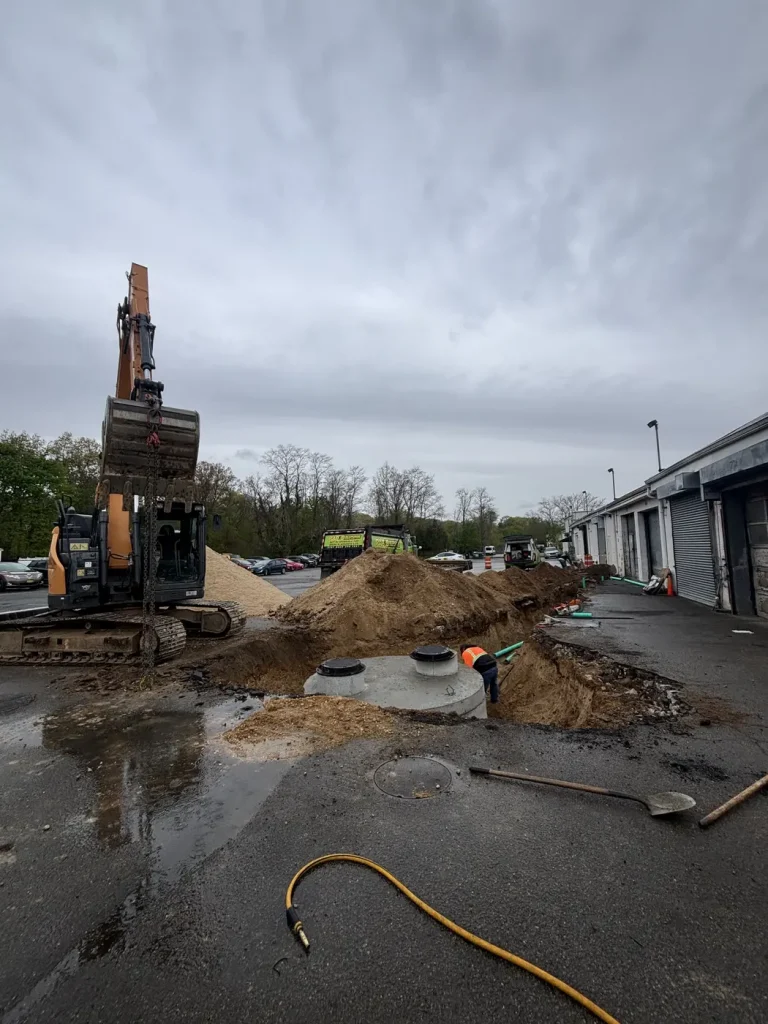
When a technician arrives for maintenance, they’ll locate your access covers (usually marked or identified during previous service). The pumping truck will connect to your tank and remove accumulated waste safely and responsibly.
A thorough technician will inspect the tank’s condition, check for damage, evaluate your system’s overall health, and provide recommendations. They’ll document everything and help you understand when your next service should be scheduled.
The entire process is straightforward and non-invasive when handled by professionals.
Protecting Your Long Island Home
Cesspool maintenance is one of those home responsibilities that doesn’t grab headlines, but it protects everything that matters—your family’s health, your property’s value, and your peace of mind.
By staying on top of regular maintenance, avoiding problem materials, and addressing warning signs promptly, you’ll keep your system running smoothly for years to come.
If you’re uncertain about your cesspool’s condition or it’s been longer than you can remember since your last service, now is the time to schedule an inspection. Request a free estimate online to learn more about your system’s specific needs.
Frequently Asked Questions About Cesspool Maintenance
How often should my Huntington cesspool be pumped?
Most households in Nassau and Suffolk County should have their cesspools pumped every 3 to 5 years. Larger families, high water usage, or smaller tanks may require more frequent pumping. A licensed technician can recommend a schedule based on your specific situation during an inspection.
What’s the difference between a cesspool and a septic system?
Cesspools collect wastewater in a single tank where solids settle and liquids filter into the surrounding soil. Septic systems have multiple tanks and a drainage field for additional treatment. Long Island has many homes with both types of systems, and maintenance requirements differ slightly.
Can I use additives to reduce pumping frequency?
Commercial cesspool additives are unnecessary and often ineffective. Your system already contains the natural bacteria needed to break down waste. Focus on proper maintenance habits instead—avoid harsh chemicals, don’t flush solids, and keep water usage reasonable.
What should I do if my cesspool is backing up?
Stop using water immediately and contact a licensed technician right away. Backups indicate your tank is full or there’s a blockage. Never attempt to fix this yourself. A professional can diagnose the problem and restore function safely and properly.
Is cesspool maintenance required by Long Island law?
Yes. Nassau and Suffolk Counties require property owners to maintain their cesspools and septic systems properly. Failure to maintain your system can result in fines and legal liability, especially if it contaminates groundwater or neighboring properties.
How much yard space do I need to keep clear over my cesspool?
Keep your tank area clear of structures, trees, and heavy landscaping. Avoid parking vehicles over the tank or drainage field. Roots from nearby trees can damage pipes and tank components. A technician can advise you on safe landscaping practices during your next service visit.