Cesspool Pumping in Deer Park NY: Full Service Guide
If you own a home in Deer Park, NY, you likely rely on a cesspool system for wastewater management. Unlike homes connected to municipal sewer lines, cesspool-dependent properties require regular maintenance to function properly and avoid costly backups or environmental damage. Cesspool pumping is one of the most important services you can schedule to protect your investment and your family’s health.
This guide covers everything Deer Park homeowners need to know about cesspool pumping, including when to pump, what to expect during service, and how to maintain your system between appointments.
Why Cesspool Pumping Matters in Deer Park
Cesspools are underground tanks that collect and break down household wastewater. Over time, solid waste accumulates at the bottom of the tank while liquid drains into the surrounding soil. When solids build up too much, they can clog your system and cause backups inside your home.
Deer Park’s sandy and loamy soil composition is generally favorable for cesspool drainage, but that doesn’t mean you can skip pumping. Routine pumping prevents system failure, extends the life of your tank, and protects groundwater quality in Nassau County.
Without regular pumping, you risk:
- Toilet and drain backups into your home
- Slow draining fixtures throughout the house
- Foul odors in your yard
- Damage to your drain field
- Costly emergency repairs or full system replacement
How Often Should You Pump Your Cesspool?
Most Deer Park homeowners should pump their cesspool every 3 to 5 years. However, the exact interval depends on several factors:
Household Size: Larger families produce more wastewater, so homes with four or more people may need pumping every 2 to 3 years.
Tank Size: A 1,000-gallon tank fills faster than a 1,500-gallon tank with the same household usage.
Water Usage: Homes with multiple bathrooms, frequent laundry, or a guest house generate more waste and require more frequent pumping.
Waste Disposal Habits: Flushing non-degradable items or pouring grease down drains accelerates solid buildup.
If you’re unsure when your cesspool was last pumped, a licensed technician can inspect your system and recommend a pumping schedule tailored to your home.
Signs Your Cesspool Needs Pumping
Don’t wait for a full system failure. Watch for these warning signs that pumping is overdue:
- Toilets, showers, or sinks drain slowly
- Raw sewage backs up into your home
- Gurgling sounds from drains or toilets
- Wet patches or standing water in your yard
- Strong sewage odors near your cesspool or drain field
- Lush, unusually green grass over your drain field
If you notice any of these signs, contact a licensed cesspool service provider right away. Waiting can turn a routine pumping into an emergency repair.
What Happens During Cesspool Pumping
Understanding the pumping process helps you prepare and know what to expect.
Locating Your Cesspool: Technicians use equipment to locate your underground tank. In Deer Park, older homes may have records on file, but newer systems should be marked on your property.
Excavation: The service provider carefully digs to expose the tank’s access lid without damaging the tank itself.
Inspection: Before pumping, the technician inspects the tank’s interior for damage, leaks, or structural issues.
Pumping: A vacuum truck removes all liquid and solids from the tank. This waste is transported to a licensed treatment facility.
System Check: The technician may run water through your system to ensure proper drainage and identify any problems with pipes or the drain field.
Documentation: You receive a receipt and record of the service, which is useful for property sales or insurance claims.
The entire process typically takes 1 to 3 hours, depending on tank size and accessibility.
Maintaining Your Cesspool Between Pumpings
Routine pumping isn’t your only responsibility. Smart habits extend your system’s lifespan and prevent premature failure.
Conservative Water Use: Fix leaky toilets promptly. A single running toilet wastes thousands of gallons per year and overloads your cesspool.
Proper Disposal: Never flush wipes, paper towels, feminine hygiene products, or other non-biodegradable items. Only flush human waste and toilet paper.
Limit Grease and Chemicals: Grease accumulates in your tank and clogs pipes. Avoid pouring cooking oil down the drain. Don’t flush medications, paint, or harsh chemicals.
Watch Your Lawn: Don’t plant trees or shrubs over your cesspool or drain field. Root penetration is a major cause of system damage in Long Island homes.
Keep Records: Document every pump and inspection. This history is valuable if you sell your home or need to troubleshoot problems.
Cesspool Pumping for Deer Park, Commack, and Surrounding Areas
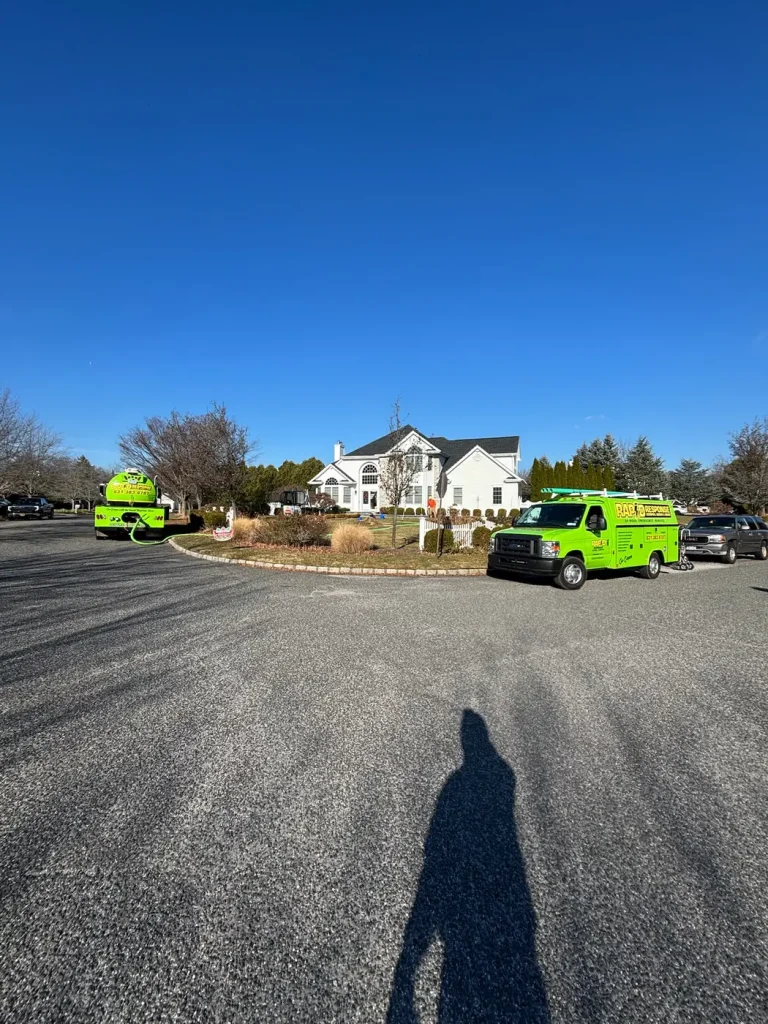
Rapid Response Cesspool, Sewer & Drain Inc. serves Deer Park and the entire Nassau and Suffolk County area, including Commack, Huntington, and neighboring communities. We understand the unique drainage challenges faced by Long Island homeowners and maintain the equipment and expertise to handle any cesspool need.
Whether you need routine pumping, system inspection, drain field repair, or emergency backup removal, our licensed technicians are available to help.
Choosing a Licensed Cesspool Service Provider
Not all service providers are equal. When selecting a company for cesspool work in Deer Park, verify that they hold a current New York State license and are properly insured. Licensed technicians follow environmental regulations designed to protect groundwater and public health.
Ask about their experience, service area, and whether they provide written estimates and detailed service records. A reputable provider should answer all your questions clearly and offer flexible scheduling.
Frequently Asked Questions About Cesspool Pumping
How do I know where my cesspool is located?
Check your home’s septic system permit or record with your local health department. If records aren’t available, a professional can locate your tank using ground-penetrating radar or probe rods. Keep the location marked on your property map for future reference.
Can I pump my own cesspool?
No. Cesspool pumping requires a licensed professional with specialized equipment and proper training. Improper handling can damage your tank, contaminate groundwater, or expose you to hazardous gases. Always hire a licensed service provider.
What should I do if my cesspool backs up between pumpings?
Don’t wait. A backup usually signals a full tank or system malfunction. Stop using water and contact a licensed technician immediately. Using your system before it’s addressed can cause sewage to back into your home, creating a health hazard.
Is cesspool pumping covered by homeowners insurance?
Most standard homeowners insurance policies don’t cover routine maintenance like pumping. However, emergency repairs may be covered if the failure results from a covered peril. Check your policy and ask your insurance agent about septic or cesspool coverage options.
Can I use additives to reduce pumping frequency?
Products marketed to improve cesspool function are not recommended by environmental agencies. They don’t reduce pumping needs and may harm the beneficial bacteria in your tank. Stick to routine pumping and proper maintenance habits instead.
What’s the difference between a cesspool and a septic system?
A cesspool is a simple holding tank; all solids and liquids remain in the tank until pumped. A septic system has a tank and a drain field where treated liquid disperses into soil. Cesspools are older and less efficient but still common on Long Island properties.
Regular cesspool pumping keeps your Deer Park home running smoothly and protects your property value. If you’re due for service or have questions about your system, request a free estimate online from Rapid Response Cesspool, Sewer & Drain Inc.