Cesspool Problems in Hempstead: Common Causes and Fixes
Living in Hempstead means dealing with the unique challenges of Nassau County’s dense neighborhoods, aging infrastructure, and weather patterns that can wreak havoc on underground systems. If you own a home here, your cesspool is one of the most important—and often overlooked—components of your property. When cesspool problems strike, they can escalate quickly from a minor inconvenience to a major health and financial crisis.
At Rapid Response Cesspool, Sewer & Drain Inc., we’ve spent years helping Hempstead homeowners understand what goes wrong with their cesspools and how to fix it. This guide covers the most common cesspool problems we see in the Nassau County area and what you can do about them.
Why Cesspool Problems Are Common in Hempstead
Hempstead’s proximity to Long Island’s water table, combined with clay-heavy soil and the age of many residential properties, creates ideal conditions for cesspool failure. The area’s freeze-thaw cycles in winter can crack tank walls, while heavy spring rainfall can flood systems that weren’t designed for modern household volumes.
Unlike newer sewer systems found in some parts of Suffolk County, many Hempstead homes still rely on cesspools as their primary waste management solution. This makes understanding common problems essential for every homeowner in the area.
The Most Common Cesspool Problems in Hempstead
Slow Drains Throughout the House
If your showers are draining slowly, your toilets are sluggish, or water is pooling in your sink, your cesspool is likely full or failing. This is one of the earliest warning signs and should never be ignored. Slow drainage means solids and liquids aren’t being processed properly, which puts stress on your entire system.
In Hempstead, slow drains often result from years of buildup combined with poor soil absorption rates. If multiple fixtures are affected at once, the problem is almost certainly in your cesspool or main drain line, not individual traps.
Sewage Backups and Odors
Raw sewage backing up into your home is both disgusting and dangerous. This happens when your cesspool reaches capacity or when tree roots invade the tank or distribution lines. Sewage contains harmful bacteria and pathogens that can cause serious illness.
Outdoor odors are equally problematic. If your yard smells like sewage, particularly near the cesspool area, your tank may be leaking or the soil is no longer absorbing effluent properly. This is a sign that immediate professional attention is needed.
Wet Spots and Soggy Ground
A healthy cesspool system should not create wet patches in your yard. If you notice soft, soggy ground above or near your cesspool, the tank is likely leaking or failing. During heavy rain or spring thaw, these spots may become worse or even create visible pools of water.
In Nassau County’s clay-based soil, wet spots develop differently than in sandier regions. The water sits on the surface longer because the ground can’t absorb it, making the problem more obvious—and more urgent.
Tree Root Intrusions
Tree roots seek out moisture and nutrients, and they’re incredibly persistent. Roots can penetrate cracks in your cesspool tank or invade the distribution lines, reducing system capacity and eventually causing complete blockages. Once roots are inside, they continue growing, making the problem worse over time.
Hempstead properties with mature trees on or near the lot are particularly vulnerable. Even trees that seem far from the cesspool can be a problem if roots spread underground.
Tank Cracks and Structural Failure
Cesspools don’t last forever. As tanks age—especially those over 30 or 40 years old—concrete cracks, and the structural integrity deteriorates. Ground settlement, freeze-thaw cycles, and poor installation all contribute to cracks.
A cracked tank allows untreated sewage to contaminate groundwater and surrounding soil. This poses serious environmental and health risks and almost always requires replacement rather than repair.
What Causes These Problems?
Age and Wear
Many Hempstead homes were built decades ago with cesspools designed for much smaller households. Modern water usage—from frequent showers to washing machines and dishwashers—overwhelms aging systems. If your cesspool is more than 25 years old, problems are increasingly likely.
Poor Maintenance
Cesspools need regular pumping, typically every 3 to 5 years depending on household size and water usage. If your system has never been pumped, or if pumping was done years ago, solids are accumulating and reducing effective tank capacity.
Flushing the Wrong Things
Paper towels, wet wipes (even “flushable” ones), feminine hygiene products, cooking grease, and harsh chemicals can damage your cesspool. These items don’t break down like toilet paper and create blockages that backup into your home.
Soil Conditions
Long Island’s high water table and clay-heavy soil in many areas mean that not all properties are ideal for cesspools. When soil doesn’t percolate well, treated effluent can’t disperse, causing backups and failure.
System Overload
Adding bathrooms, installing new plumbing, or increasing household occupancy can overwhelm a system that was sized for fewer people. If your family has grown since the cesspool was installed, the system may be working at or above capacity.
How to Fix Cesspool Problems
Regular Pumping and Inspections
The most cost-effective fix is prevention. Regular pumping removes accumulated solids before they cause problems. A professional inspection can identify early signs of cracks, root intrusion, or soil issues before they become emergencies.
Root Removal and Control
If tree roots are the problem, a professional can remove them mechanically or chemically. For long-term control, you may need to install barriers around vulnerable pipes or consider removing problem trees from your property.
Distribution System Repairs
If the issue is in your drain field or distribution lines rather than the main tank, targeted repairs may be possible. A camera inspection can pinpoint the exact location and nature of the problem.
Tank Replacement
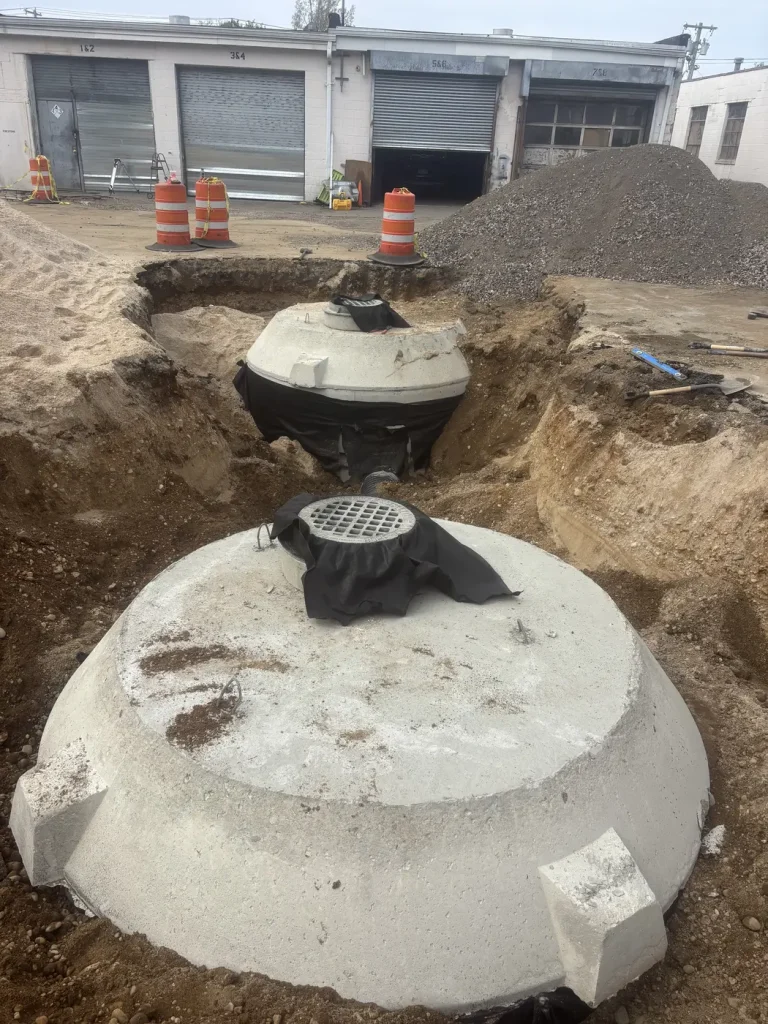
When the tank itself is cracked or severely damaged, replacement is often the only solution. Modern tanks are more durable and efficient than those installed decades ago. While significant, replacement prevents ongoing problems and protects your property value.
System Upgrades
Some Hempstead homeowners choose to upgrade to aerobic treatment systems or connect to municipal sewer if available. These options can provide better performance and lower maintenance burden, though they require professional installation.
When to Call a Professional
Don’t wait to address cesspool problems. If you notice slow drains, odors, wet spots, or backups, contact a licensed professional immediately. What starts as a minor issue can quickly become a health hazard and environmental problem.
Professional contractors can properly diagnose your system, perform inspections with video cameras, and recommend the right solution for your specific situation. For homeowners throughout Nassau and Suffolk County, professional help is the safest and most reliable path forward.
Hempstead homeowners should take cesspool maintenance seriously. Understanding common problems and their causes helps you catch issues early and avoid costly emergencies. Regular maintenance, proper use, and professional inspections are the foundation of a healthy system.
If you’re experiencing any cesspool issues in Hempstead or elsewhere on Long Island, professional assessment is your first step. Request a free estimate online to get started.
Frequently Asked Questions About Cesspool Problems in Hempstead
How often should I have my Hempstead cesspool pumped?
Most cesspool systems should be pumped every 3 to 5 years. The exact interval depends on tank size, household size, and water usage. Families with more people or higher water consumption may need pumping more frequently. A professional can assess your specific situation and recommend a maintenance schedule.
Can I treat my cesspool with additives instead of pumping?
No. Additives cannot replace regular pumping. While some products claim to break down solids, they don’t remove accumulated sludge from the tank. Relying on additives while skipping pumping will lead to system failure. Pumping is the only proven maintenance method.
What should I never flush into my cesspool?
Never flush paper towels, wipes of any kind, feminine hygiene products, diapers, cat litter, grease, chemicals, paint, medications, or food waste. These items don’t break down in cesspools and cause blockages. Stick to human waste and toilet paper only.
How can I tell if my cesspool is failing?
Signs include slow drains, sewage backups, wet or soggy patches in your yard, foul odors, unusually green grass above the system (caused by effluent), and gurgling sounds in pipes. Any of these warrant a professional inspection.
Is it expensive to replace a failed cesspool in Hempstead?
Replacement costs vary based on tank size, soil conditions, accessibility, and local regulations. Rather than speculate about cost, consult with a licensed contractor who can evaluate your property and provide an accurate estimate for your specific needs.
What’s the difference between a cesspool and a septic system?
A cesspool is a single underground tank that receives and stores waste. A septic system includes a tank and a drain field where treated effluent is dispersed into the soil. Septic systems treat waste more effectively and are less likely to contaminate groundwater, but both require regular maintenance and professional care when problems arise.