Cesspool Service in Smithtown NY: Everything You Need to Know
If you own a home in Smithtown, NY, you likely depend on a cesspool or septic system to handle your household wastewater. Unlike homes connected to municipal sewer systems, properties here in Suffolk County rely on these private systems to treat and dispose of waste safely. Understanding how your cesspool works, when it needs service, and what maintenance looks like is essential for protecting your property and your family’s health.
This guide covers everything Smithtown homeowners should know about cesspool service—from routine maintenance to emergency repairs and when to call a licensed professional.
What Is a Cesspool and How Does It Work?
A cesspool is an underground tank that collects and holds household wastewater from toilets, sinks, showers, and laundry. Unlike a septic system, which treats waste using bacteria before returning treated water to the soil, a cesspool simply stores waste until it’s pumped out.
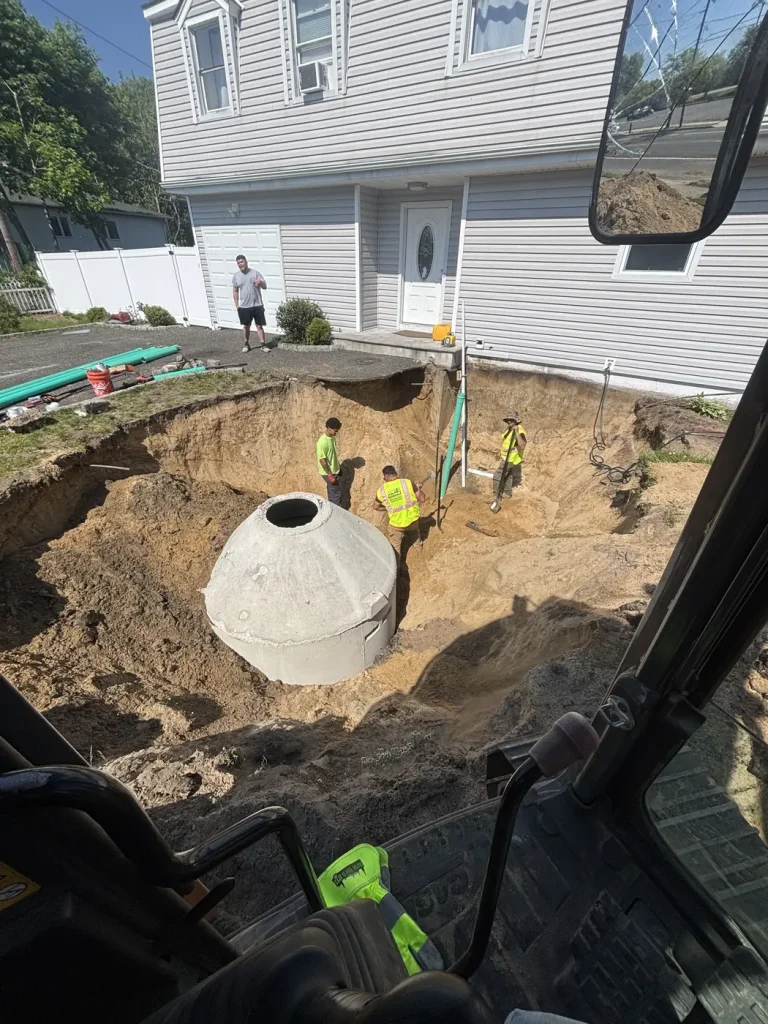
Most cesspools in Smithtown and the surrounding Suffolk County area are lined concrete or fiberglass structures buried beneath your property. When you flush a toilet or drain a sink, wastewater flows through pipes into the cesspool. Solids settle to the bottom, forming sludge, while liquids remain on top. Over time, the tank fills up and requires professional pumping to empty it and restore functionality.
Because cesspools don’t filter or treat waste like septic systems do, they require more frequent maintenance and attention. Understanding this system is the first step toward responsible homeownership on Long Island.
Why Regular Cesspool Maintenance Matters
Many Smithtown homeowners don’t think about their cesspool until something goes wrong. By then, you’re facing expensive emergency repairs, potential environmental contamination, and temporary loss of essential plumbing. Regular maintenance prevents these problems.
When you skip routine pumping, sludge builds up inside the tank and can enter the drain field—the area around your home where liquid waste is absorbed into soil. Once solids contaminate the drain field, repairs become far more costly and time-consuming. In some cases, the entire system may need replacement.
Scheduled pumping also prevents backups, gurgling sounds in your drains, slow-flushing toilets, and foul odors around your property. It protects your family’s health and prevents contamination of groundwater—especially important in Nassau and Suffolk counties where many residents rely on private wells.
How Often Should Your Cesspool Be Pumped?
The frequency depends on several factors: your household size, water usage, tank capacity, and the amount of solids your system generates. A typical Smithtown home with 3–4 people should have its cesspool pumped every 3–5 years. Larger households or homes with heavy water usage may need pumping more frequently.
Some warning signs that your cesspool needs pumping soon include:
- Slow drains throughout your home
- Toilets that are difficult to flush
- Unusual odors near your system or in your yard
- Wet spots or unusually green patches in your yard
- Sewage backups in your lowest-level fixtures
A licensed cesspool company can inspect your system and recommend the right pumping schedule for your specific situation. Don’t wait for problems to appear—preventive pumping is far more affordable than emergency service.
Common Cesspool Problems in Smithtown
System Backups
When your cesspool fills beyond capacity, waste has nowhere to go. You’ll notice sewage backing up into toilets, showers, and drains—usually starting with the lowest fixtures in your home. This is an urgent situation requiring immediate professional attention.
Drain Field Failure
If sludge enters the drain field or the field becomes compacted from vehicle traffic, soil stops absorbing liquid waste. Signs include wet areas in your yard, foul odors, and system backups. Drain field repairs can be extensive and expensive.
Tank Cracks or Structural Damage
Over decades, concrete tanks can crack from ground shifting, tree root invasion, or simple aging. Cracks allow wastewater to leak into the surrounding soil, contaminating groundwater and threatening the integrity of your system. Professional inspection can identify these issues before they become critical.
Pipe Blockages
Tree roots, grease buildup, or foreign objects can block the pipes connecting your home to the cesspool. You’ll notice slow drains or backups. A licensed technician can locate blockages using video inspection equipment and clear them safely.
What You Can Do to Protect Your Cesspool
Pump it regularly: Schedule pumping based on professional recommendations, not just when problems occur.
Watch what goes down the drain: Don’t flush non-biodegradable items like wipes, feminine hygiene products, or cotton balls. Avoid pouring grease, oil, or harsh chemicals into sinks. These substances break down slowly or not at all, accelerating sludge buildup.
Don’t drive or build over it: Heavy vehicles and construction can compact soil around your drain field or crack the tank itself. Mark your system’s location and keep traffic away.
Protect it from water damage: Direct roof gutters, sump pumps, and surface water away from your cesspool area. Too much water overloads the system and prevents proper treatment.
Use septic-safe products: Choose toilet paper and household cleaners labeled safe for septic systems. These break down more easily and reduce strain on your cesspool.
When to Call a Licensed Professional
Some cesspool issues require professional expertise. Contact a licensed technician if you notice:
- Multiple slow drains or backups
- Sewage odors indoors or outside
- Wet spots or soggy areas in your yard
- Unusual gurgling sounds in your pipes
- It’s been more than 5 years since your last pumping
- You’re experiencing any suspected system failure
Professional services include pumping, inspection, repair, and emergency response. Licensed companies serving Smithtown and throughout Suffolk County have the equipment, knowledge, and legal authority to handle these systems properly.
Cesspool Service for Smithtown, Commack, and Kings Park
Whether you live in Smithtown proper, nearby Commack, Kings Park, or anywhere else in Suffolk County, professional cesspool service is essential for protecting your investment and your family. Every home relying on a private septic or cesspool system shares the same maintenance needs and potential challenges.
A licensed, local service provider understands Nassau and Suffolk County soil conditions, local regulations, and the specific challenges Long Island homeowners face. They can respond quickly to emergencies and provide ongoing maintenance that keeps your system running smoothly for decades.
Frequently Asked Questions
What’s the difference between a cesspool and a septic system?
A cesspool simply stores waste in an underground tank until it’s pumped out. A septic system treats waste using bacteria before releasing treated water into a drain field. Septic systems require less frequent pumping but are more complex. Many older Long Island homes have cesspools; newer installations often use septic systems.
How do I know if my cesspool is failing?
Signs include slow drains, backups, gurgling sounds, foul odors, wet patches in your yard, or sewage surfacing in your yard. Any of these warrant a professional inspection immediately to prevent further damage.
Can I pump my cesspool myself?
No. Cesspool pumping requires specialized equipment, proper disposal of waste, and adherence to Suffolk County regulations. A licensed professional ensures the job is done safely, legally, and completely.
What happens if I never pump my cesspool?
Your tank will eventually overflow. Sewage will back up into your home, overflow into your yard, and contaminate groundwater. The resulting damage to your drain field and surrounding soil can cost tens of thousands to repair. Regular pumping prevents this entirely.
How long does cesspool pumping take?
Most routine pumping jobs take 1–2 hours, depending on tank size and accessibility. The technician will locate the access hatch, pump out the contents, inspect the tank, and dispose of waste at an approved facility.
Do I need to have my cesspool inspected?
Yes, especially if you’re buying a home, experiencing problems, or haven’t had service in several years. A professional inspection identifies cracks, blockages, sludge levels, and drain field condition—helping you address issues before they become emergencies.
For professional cesspool service in Smithtown and throughout Long Island, request a free estimate online. Our licensed technicians are ready to help with pumping, inspection, repair, and emergency service.