Cesspool vs Septic Tank: What Long Island Homeowners Need to Know
If you own a home on Long Island, chances are your property relies on either a cesspool or a septic tank for wastewater management. While both systems treat and dispose of household waste, they work very differently—and understanding the distinction is crucial for maintenance, longevity, and your property’s value.
Whether you’re in Nassau County, Suffolk County, or anywhere from Garden City to Commack, knowing which system you have and how to care for it can save you thousands in emergency repairs. Let’s break down the differences and help you make informed decisions about your home’s waste management.
What Is a Cesspool?
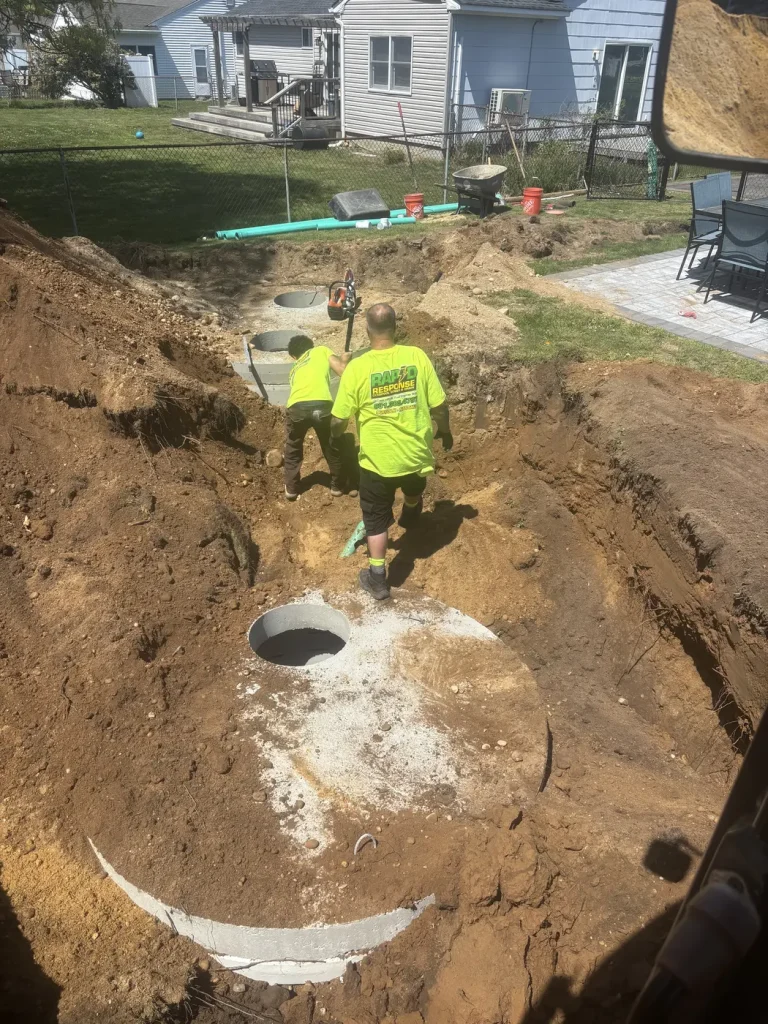
A cesspool is one of the oldest wastewater systems still in use. It’s essentially a large underground pit, typically made of brick, concrete, or steel, where all household wastewater—from toilets, sinks, showers, and laundry—flows directly into a single chamber.
The system relies on soil absorption. Liquid waste seeps through the pit’s porous walls into the surrounding soil, while solids accumulate at the bottom. Over time, a layer of bacteria and organic material (called “scum”) builds up, and the pit must be pumped out regularly to prevent overflow and system failure.
Cesspools are common in older Long Island homes, particularly in more rural areas of Suffolk County and parts of Nassau County where homes were built before modern septic regulations were introduced.
What Is a Septic Tank?
A septic tank is a more sophisticated wastewater treatment system. It’s a sealed, watertight tank—usually made of concrete, fiberglass, or plastic—where wastewater undergoes a multi-stage treatment process before being dispersed into the soil.
Inside the tank, solids and liquids separate naturally. Bacteria break down organic matter, lighter materials float to the top as scum, and heavier solids settle to the bottom as sludge. The partially treated liquid (called “effluent”) then flows into a drain field, where it filters through layers of soil for final treatment before percolating into groundwater.
Septic systems are the standard for homes without municipal sewer connections across Long Island, from Roslyn to Manorville and everywhere in between.
Key Differences Between Cesspools and Septic Tanks
Treatment Process
Cesspools offer minimal wastewater treatment—they’re essentially holding pits. Septic tanks provide actual biological treatment of waste before it reaches the soil, making them far more environmentally responsible.
Environmental Impact
Because cesspools don’t treat waste before it enters the ground, they pose a greater risk to groundwater contamination. Long Island’s sole-source aquifer makes this a serious concern for all Nassau and Suffolk County homeowners. Septic systems, by contrast, significantly reduce contaminants before effluent reaches groundwater.
System Lifespan
Well-maintained septic tanks can last 25–40 years. Cesspools typically last 15–25 years, though this varies based on soil conditions and usage.
Maintenance Requirements
Both systems need regular pumping, but cesspools require more frequent emptying because they have no treatment process—all waste accumulates in a single chamber. Septic tanks need pumping every 3–5 years for most households; cesspools may need it annually or more often.
Cost of Ownership
Over their lifetime, cesspools are typically more expensive to maintain due to frequent pumping. Septic systems have higher upfront costs but lower long-term operational expenses.
Regulatory Status
This is critical: New York State and Nassau County have been phasing out cesspools for decades. In many areas, cesspools are no longer permitted for new construction or replacements. If you own a home with a cesspool, it may eventually need to be replaced with a septic system to comply with local regulations. Suffolk County has similar restrictions in many municipalities.
Do You Have a Cesspool or Septic Tank?
Not sure which system your Long Island home has? Here’s how to find out:
Look for permits and records: Check your deed, property survey, or building permits filed with your local county clerk or town building department.
Inspect your property: Walk your yard and look for access ports or concrete lids. A septic system usually has a tank access and a separate drain field area (often marked by lush grass or a depression). A cesspool typically has one large pit.
Ask the previous owner: If you recently purchased, reach out to the former owner or realtor who can provide system details.
Hire a professional: If you’re uncertain, a licensed waste management company can inspect your system and provide documentation of what you have.
Maintenance Tips for Long Island Homeowners
For Cesspools:
- Pump annually or as recommended by a professional
- Never use chemical additives—they don’t help and may harm soil
- Avoid flushing non-organic materials (wipes, feminine hygiene products, etc.)
- Be aware of replacement regulations in your area
For Septic Tanks:
- Pump every 3–5 years (more frequently for larger families or frequent use)
- Keep detailed maintenance records
- Use septic-safe toilet paper and cleaning products
- Protect the drain field from heavy vehicles and construction
- Avoid chemical drain cleaners that kill beneficial bacteria
For Both Systems:
- Never plant trees or large shrubs over the system
- Direct roof and foundation drainage away from the tank and drain field
- Fix plumbing leaks promptly—excess water overloads the system
- Have your system inspected annually by a licensed professional
When to Replace Your System
Signs that your cesspool or septic tank needs replacement include:
- Sewage backups into the home
- Persistent wet spots or odors in the yard
- Slow drains throughout the house despite pumping
- Visible liquid seeping to the surface
- System failure or inability to pass regulatory inspections
- Age (15+ years for cesspools, 25+ years for septic tanks)
If you live on Long Island—whether in Garden City, Commack, or anywhere across Nassau and Suffolk counties—regulatory compliance may eventually require replacing an old cesspool with a modern septic system.
Frequently Asked Questions
Can I convert my cesspool to a septic tank?
Yes. In fact, this is required by law in many Long Island municipalities. A licensed professional can assess your property and design a system that meets current regulations and your home’s needs.
How often should my system be inspected?
Annual inspections are recommended for both systems. If you notice warning signs—slow drains, odors, or wet spots—call for an inspection immediately.
Is it safe to use biological additives in my cesspool or septic tank?
Most experts recommend against additives. Both systems contain naturally occurring bacteria that do the job. Additives are unnecessary and may disrupt the balance. Focus on proper maintenance instead.
What happens if my system fails?
System failure requires immediate attention. Untreated wastewater poses health and environmental risks. A licensed professional should pump or repair the system right away, and you may need to restrict water use until repairs are complete.
How does my septic drain field work?
After treatment in the tank, effluent flows into a drain field—a network of perforated pipes buried in gravel-lined trenches. Soil acts as a natural filter, removing remaining contaminants as water percolates down to groundwater.
Are cesspools illegal on Long Island?
New cesspools are banned in most of Long Island. Existing ones are regulated and may be required to be replaced upon failure or during property transfers, depending on local ordinances in Nassau and Suffolk counties.
Understanding your wastewater system is essential for Long Island homeownership. If you have questions about whether you have a cesspool or septic tank, or if you need professional guidance on maintenance or replacement, the team at Rapid Response Cesspool, Sewer & Drain Inc. is here to help. Request a free estimate online to discuss your specific situation.