If you own a home on Long Island, understanding your wastewater system is essential. Whether you have a cesspool, a septic tank, or you’re trying to figure out which system your property uses, knowing the differences can save you time, money, and headaches down the road. This guide breaks down everything Nassau County and Suffolk County homeowners need to know about these two common systems.
What Is a Cesspool?
A cesspool is one of the oldest wastewater disposal methods still in use today. It’s a simple underground pit, typically made of concrete, brick, or stone, that collects all household wastewater—including toilet waste, greywater from sinks and showers, and laundry water.
In a cesspool, wastewater flows directly into the pit and sits there. Solids settle to the bottom while liquids percolate into the surrounding soil. The system relies entirely on the soil’s ability to absorb and filter the wastewater naturally. There’s no treatment process; everything goes into one chamber.
Cesspools are common in older Long Island communities, including parts of Hempstead, Port Jefferson, and other areas built before modern septic systems became standard. They’re still legal in Nassau and Suffolk County, but they do require regular maintenance and pumping.
What Is a Septic Tank?
A septic tank is a more advanced wastewater treatment system. It’s typically a large, buried tank (often 1,000 to 2,000 gallons) divided into multiple chambers. Wastewater enters the tank, where solids and liquids separate naturally.
Heavy solids settle as sludge at the bottom, grease and oils float to the top as scum, and relatively clear liquid (called effluent) flows into a drain field or leach field. The soil in the drain field provides additional filtration and treatment before wastewater returns to the groundwater.
Septic tanks are more efficient and environmentally responsible than cesspools. They allow for some treatment before wastewater enters the soil, which means better protection for groundwater quality—especially important for Long Island, where many residents rely on private wells.
Key Differences Between Cesspools and Septic Tanks
Treatment Process
Cesspools: No treatment. Wastewater sits in one chamber and relies entirely on soil absorption.
Septic tanks: Multi-stage treatment. Solids separate from liquids, and effluent passes through a drain field for further filtering.
Environmental Impact
Cesspools: Less effective at removing contaminants, which increases the risk of groundwater pollution. This is a concern for Long Island homeowners, where groundwater is a critical resource.
Septic tanks: Provide better treatment and reduce contamination risks significantly.
Maintenance Requirements
Cesspools: Need pumping every 1 to 2 years, sometimes more frequently depending on household size and water usage.
Septic tanks: Require pumping every 3 to 5 years under normal conditions, though frequency varies based on tank size and household habits.
Lifespan
Cesspools: Typically last 20 to 40 years before failing or requiring significant repairs.
Septic tanks: Can last 30 to 50 years or more with proper maintenance.
Cost of Failure
Cesspools: When they fail, the entire pit often needs to be replaced, which is a substantial undertaking.
Septic tanks: Failures may be limited to one component (like the drain field), potentially reducing repair costs.
Which System Do You Have?
Not sure if your Long Island home has a cesspool or septic tank? Here are some ways to find out:
- Check your property records: Your deed or property survey may indicate which system is installed.
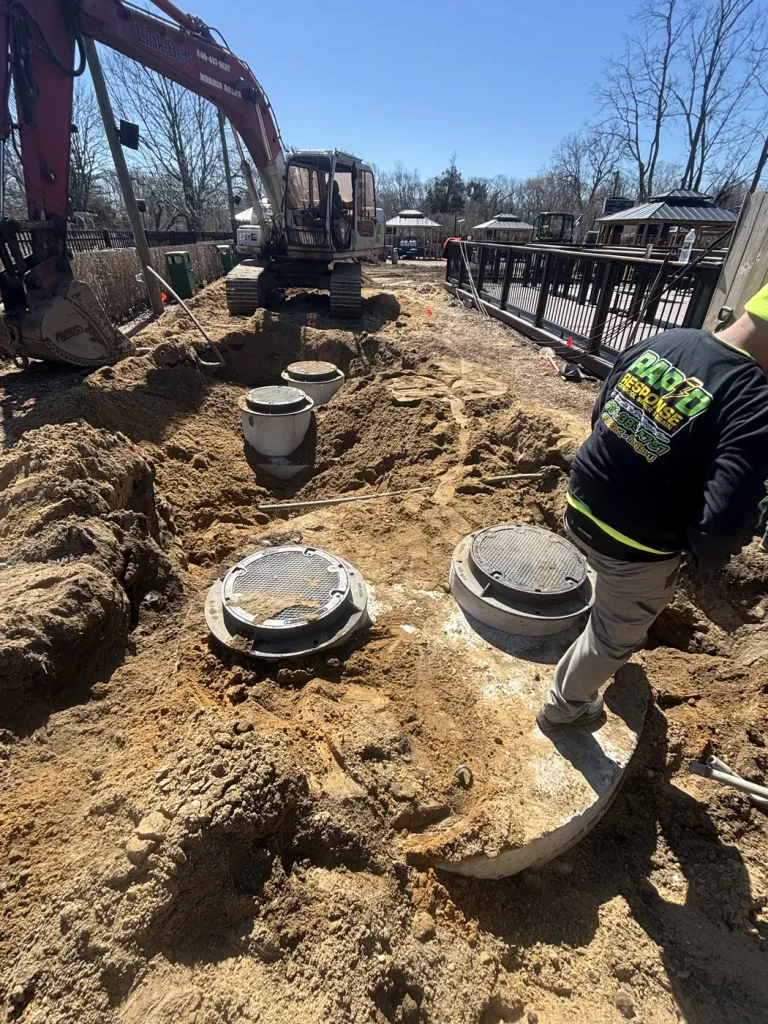
- Look for access covers: Cesspools typically have one large opening. Septic tanks usually have two or more (one for the inlet, one for the outlet, sometimes one for inspection).
- Ask your neighbors: In established neighborhoods like parts of Hempstead or Port Jefferson, your neighbors likely have the same system.
- Consult a professional: A licensed inspection can give you a definitive answer and assess the condition of your system.
Long Island Regulations and Cesspool Phase-Out
New York State and Nassau and Suffolk County have been moving toward eliminating cesspools in favor of septic systems or municipal sewer connections. While cesspools aren’t illegal, they’re increasingly discouraged due to environmental concerns.
If your home is on a cesspool and you’re planning renovations, selling your property, or connecting to municipal sewer when available, you may need to upgrade to a septic system. Regulations vary by location within Nassau and Suffolk County, so it’s worth checking with your local health department.
What Long Island Homeowners Should Do Now
If you have a cesspool: Maintain regular pumping schedules, avoid flushing non-biodegradable items, and be mindful of water usage. Monitor for signs of failure like slow drains, wet patches in your yard, or sewage odors. Consider planning for an upgrade to a septic system if your local regulations are moving that direction.
If you have a septic tank: Pump it every 3 to 5 years, use septic-safe products, and avoid overloading the system with excessive water. Keep detailed records of maintenance and pumping.
Regardless of which system you have: Never ignore warning signs. Slow drains, gurgling sounds, or foul odors indicate a problem that requires professional attention.
When to Call a Professional
Whether you have a cesspool or septic tank, professional inspection and maintenance are non-negotiable. A licensed technician can:
- Identify which system you have
- Assess its current condition
- Recommend maintenance schedules
- Diagnose problems early, before they become expensive
- Help you plan for upgrades or replacements if needed
For Long Island homeowners in Nassau or Suffolk County, having your system inspected annually—or at minimum before selling your property—is smart home ownership. Early detection of issues can prevent backup-ups, groundwater contamination, and costly emergency repairs.
Request a free estimate online to schedule a professional inspection of your cesspool or septic system. Our licensed technicians serve the entire Long Island area and can answer your specific questions about your home’s wastewater system.
Frequently Asked Questions
Can I convert my cesspool to a septic tank?
Yes. In many cases, homeowners with cesspools can upgrade to a septic system. The process involves installing a septic tank and drain field. Local health department approval and permits are required, and feasibility depends on your property’s soil conditions and size. A professional evaluation can determine if your property is suitable for conversion.
How do I know if my cesspool or septic tank is failing?
Common warning signs include slow drains throughout the house, gurgling sounds in pipes, sewage odors inside or outside your home, wet or soggy patches in your yard, and sewage backing up into your home. If you notice any of these signs, contact a professional immediately.
Is a cesspool safe for my family and property?
Cesspools can pose health and environmental risks. Because they don’t treat wastewater, contaminants can leach into groundwater, affecting your well water (if you have a private well) and nearby properties. Regular pumping and monitoring help reduce risks, but a septic system or municipal sewer connection is ultimately safer.
How often should my cesspool or septic tank be pumped?
Cesspools typically need pumping every 1 to 2 years. Septic tanks usually require pumping every 3 to 5 years. However, frequency depends on household size, water usage, and tank size. A professional can recommend the right schedule for your specific situation.
What should I avoid if I have a cesspool or septic tank?
Avoid flushing non-biodegradable items like wipes, diapers, or feminine hygiene products. Don’t use septic-harsh chemicals, bleach in excess, or drain cleaners. Minimize water waste and avoid planting trees or shrubs near your system. These practices help your system last longer and function properly.